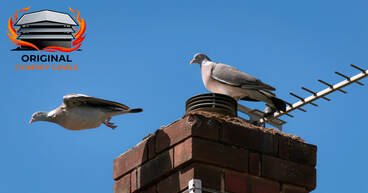
Birds Nesting in Chimneys – And How Original Chimney Cowls Stops It
If you live in Cape Town, you’ve probably seen it happen: birds love chimneys. Warm, sheltered, and high up, a chimney can look like the perfect nesting spot — until it causes serious problems for your home.
When birds nest inside a chimney, they can block airflow, cause smoke to back up into your home, increase fire risk, and leave behind droppings and debris that damage the flue. In some cases, nests can even lead to carbon monoxide build-up. Not ideal.
Why birds choose chimneysBirds are drawn to chimneys because they’re:
How Original Chimney Cowls prevents bird nestingAt Original Chimney Cowls, we take a proactive approach. We don’t just remove the problem — we prevent it from happening again.
Our solution includes:
The result
Original Chimney Cowls – protecting your chimney, your home, and your safety.
If you live in Cape Town, you’ve probably seen it happen: birds love chimneys. Warm, sheltered, and high up, a chimney can look like the perfect nesting spot — until it causes serious problems for your home.
When birds nest inside a chimney, they can block airflow, cause smoke to back up into your home, increase fire risk, and leave behind droppings and debris that damage the flue. In some cases, nests can even lead to carbon monoxide build-up. Not ideal.
Why birds choose chimneysBirds are drawn to chimneys because they’re:
- Protected from wind and predators
- Warm, especially in winter
- Often unused for long periods
How Original Chimney Cowls prevents bird nestingAt Original Chimney Cowls, we take a proactive approach. We don’t just remove the problem — we prevent it from happening again.
Our solution includes:
- Professional bird prevention systems installed inside the chimney
- Durable, heat-resistant materials that don’t restrict airflow
- Custom fitting for braai chimneys, fireplaces, and flues
- Long-term protection without harming birds
- Having your chimney swept annually
The result
- No more birds nesting
- Improved chimney draw
- Reduced fire and smoke risk
- Peace of mind all year round
Original Chimney Cowls – protecting your chimney, your home, and your safety.
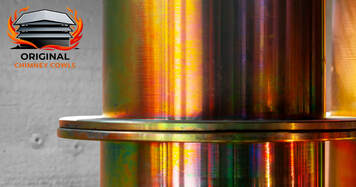
Black Painted 3CR12 Stainless Steel Chimneys Are Better Than Polished Steel
A Practical Choice for Turbo Cowls in Cape TownWhen homeowners search for chimneys in Cape Town, turbo cowls near me, or stainless steel chimneys Western Cape, many are initially drawn to the look of highly polished stainless steel. While it may look impressive when first installed, polished steel quickly loses its appeal under real-world conditions.
For long-term performance, durability, and low maintenance, black painted 3CR12 stainless steel chimneys and turbo cowls are the superior choice — especially in Cape Town’s coastal and high-wind environment.
Designed for Cape Town and the Western Cape ClimateFrom Durbanville, Bellville, and Brackenfell to Somerset West, Stellenbosch, and the Cape Peninsula, chimneys are exposed to:
Why Black Chimneys Perform Better Than Polished Steel
1. Better Draft and Smoke Extraction: Black surfaces retain heat more effectively than polished finishes. For braai chimneys, fireplaces, and turbo cowls, this improves:
2. Cleaner Appearance for Longer: Homeowners searching for chimney installation in Cape Town often want something that looks good long-term. Polished steel shows:
3. Low-Maintenance Chimneys for Cape Town Homes :Unlike polished finishes that require constant cleaning, black stainless steel chimneys:
Why 3CR12 Stainless Steel Is Ideal for Turbo Cowls and Chimneys3CR12 stainless steel is widely used in outdoor and high-heat applications.
For chimneys and turbo cowls in Cape Town, it offers:
A Modern Look That Suits Cape Town ArchitectureBlack chimneys and turbo cowls complement:
The Best Choice for Chimneys and Turbo Cowls in Cape TownIf you’re comparing polished stainless steel chimneys to black painted 3CR12 stainless steel, the answer is clear.
For chimney installations, turbo cowls, and braai chimneys in Cape Town and the Western Cape, black painted 3CR12 stainless steel delivers:
A Practical Choice for Turbo Cowls in Cape TownWhen homeowners search for chimneys in Cape Town, turbo cowls near me, or stainless steel chimneys Western Cape, many are initially drawn to the look of highly polished stainless steel. While it may look impressive when first installed, polished steel quickly loses its appeal under real-world conditions.
For long-term performance, durability, and low maintenance, black painted 3CR12 stainless steel chimneys and turbo cowls are the superior choice — especially in Cape Town’s coastal and high-wind environment.
Designed for Cape Town and the Western Cape ClimateFrom Durbanville, Bellville, and Brackenfell to Somerset West, Stellenbosch, and the Cape Peninsula, chimneys are exposed to:
- Coastal salt air
- Strong south-easter winds
- Intense summer sun
- Cold, damp winter conditions
Why Black Chimneys Perform Better Than Polished Steel
1. Better Draft and Smoke Extraction: Black surfaces retain heat more effectively than polished finishes. For braai chimneys, fireplaces, and turbo cowls, this improves:
- Chimney draft
- Smoke extraction efficiency
- Turbo cowl performance in windy areas
2. Cleaner Appearance for Longer: Homeowners searching for chimney installation in Cape Town often want something that looks good long-term. Polished steel shows:
- Smoke marks
- Water streaks
- Scratches and fingerprints
3. Low-Maintenance Chimneys for Cape Town Homes :Unlike polished finishes that require constant cleaning, black stainless steel chimneys:
- Require minimal maintenance
- Do not need polishing
- Stay visually consistent year after year
Why 3CR12 Stainless Steel Is Ideal for Turbo Cowls and Chimneys3CR12 stainless steel is widely used in outdoor and high-heat applications.
For chimneys and turbo cowls in Cape Town, it offers:
- Excellent corrosion resistance
- High structural strength
- Long service life in coastal areas
A Modern Look That Suits Cape Town ArchitectureBlack chimneys and turbo cowls complement:
- Modern Cape Town homes
- Contemporary braai areas
- Industrial and minimalist architecture
The Best Choice for Chimneys and Turbo Cowls in Cape TownIf you’re comparing polished stainless steel chimneys to black painted 3CR12 stainless steel, the answer is clear.
For chimney installations, turbo cowls, and braai chimneys in Cape Town and the Western Cape, black painted 3CR12 stainless steel delivers:
- Better airflow performance
- Greater durability in coastal conditions
- Reduced maintenance
- A clean, professional finish that lasts
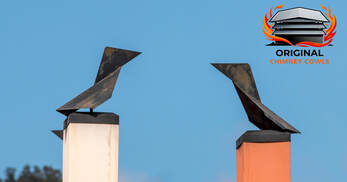
Why Stationary Turbo Cowls Work Better Than Rotating Cowls
For decades, rotating chimney cowls were seen as the go-to solution for improving chimney draft. You’ll still spot them spinning away on older homes, but times have changed. Today, stationary turbo cowls have become the preferred choice for modern braai chimneys, fireplaces, and flues — and for good reason.
At Original Chimney Cowls, we manufacture and install high-quality stationary turbo cowls designed specifically for South African conditions, using durable 3CR12 stainless steel. Let’s break down why stationary designs outperform rotating cowls and why the industry has moved on.
A stationary turbo cowl uses aerodynamic shaping rather than moving parts to improve airflow. Wind passing over the cowl creates a low-pressure zone that actively draws smoke, heat, and gases up and out of the chimney.
Key benefits of stationary turbo cowls:
Improves upward draft even in low-wind conditions
Prevents downdrafts that push smoke back into your home
Reduces smoke blow-back during braais and fires
Works continuously with no mechanical movement
The result is a reliable, consistent draft — exactly what a chimney needs.
But why has rotating cowls fell out of favour?
Rotating cowls rely on spinning blades to extract air. While they can work in strong, steady wind, they come with several long-term drawbacks that homeowners increasingly want to avoid.
1. Moving Parts Mean Maintenance
Anything that spins will eventually wear out. Bearings seize, blades bend, and rotation slows — especially in coastal or high-wind areas like Cape Town.
2. Noise Problems
As rotating cowls age, they often begin to squeak, rattle, or hum in windy conditions, becoming a nuisance rather than a solution.
3. Inconsistent Performance
When there’s little wind, rotating cowls do very little. No spin means no draft improvement — exactly when smoke problems often occur.
4. Rust and Corrosion
Many older rotating cowls were made from mild steel or aluminium, which deteriorates quickly in salty air and harsh weather.
Because of these issues, rotating cowls are no longer the preferred option for modern chimney installations.
Why Stationary Turbo Cowls Are the Modern Standard
Stationary turbo cowls solve all the weaknesses of rotating designs by removing movement entirely.
Advantages over rotating cowls:
No bearings, motors, or moving parts to fail
Silent operation in all weather conditions
Reliable performance in both low and high wind
Longer lifespan with minimal maintenance
Cleaner, more modern appearance
When manufactured from 3CR12 stainless steel, stationary turbo cowls also offer excellent corrosion resistance — ideal for coastal regions.
Perfect for Braai Chimneys and Fireplaces
Braai chimneys require stable and predictable draft control. Sudden downdrafts can ruin a braai, fill the house with smoke, and create ongoing frustration.
Stationary turbo cowls are particularly effective for:
Built-in indoor braais
Outdoor braai chimneys
Fireplaces and closed combustion systems
Pizza ovens and flues
They keep smoke moving in the right direction — up and out.
The Smarter Long-Term Investment
While rotating cowls were once popular, modern engineering has made them largely obsolete. Stationary turbo cowls provide better performance, lower maintenance, and longer service life, making them the smarter long-term solution for homeowners and installers alike.
At Original Chimney Cowls, we specialize in locally manufactured stationary turbo cowls, built to last and designed for South African homes.
Need Advice or a Custom Fit?
If you’re experiencing smoke problems or planning a new chimney installation, we’re happy to help you choose the right solution.
Original Chimney Cowls – engineered airflow, built to LAST!
For decades, rotating chimney cowls were seen as the go-to solution for improving chimney draft. You’ll still spot them spinning away on older homes, but times have changed. Today, stationary turbo cowls have become the preferred choice for modern braai chimneys, fireplaces, and flues — and for good reason.
At Original Chimney Cowls, we manufacture and install high-quality stationary turbo cowls designed specifically for South African conditions, using durable 3CR12 stainless steel. Let’s break down why stationary designs outperform rotating cowls and why the industry has moved on.
A stationary turbo cowl uses aerodynamic shaping rather than moving parts to improve airflow. Wind passing over the cowl creates a low-pressure zone that actively draws smoke, heat, and gases up and out of the chimney.
Key benefits of stationary turbo cowls:
Improves upward draft even in low-wind conditions
Prevents downdrafts that push smoke back into your home
Reduces smoke blow-back during braais and fires
Works continuously with no mechanical movement
The result is a reliable, consistent draft — exactly what a chimney needs.
But why has rotating cowls fell out of favour?
Rotating cowls rely on spinning blades to extract air. While they can work in strong, steady wind, they come with several long-term drawbacks that homeowners increasingly want to avoid.
1. Moving Parts Mean Maintenance
Anything that spins will eventually wear out. Bearings seize, blades bend, and rotation slows — especially in coastal or high-wind areas like Cape Town.
2. Noise Problems
As rotating cowls age, they often begin to squeak, rattle, or hum in windy conditions, becoming a nuisance rather than a solution.
3. Inconsistent Performance
When there’s little wind, rotating cowls do very little. No spin means no draft improvement — exactly when smoke problems often occur.
4. Rust and Corrosion
Many older rotating cowls were made from mild steel or aluminium, which deteriorates quickly in salty air and harsh weather.
Because of these issues, rotating cowls are no longer the preferred option for modern chimney installations.
Why Stationary Turbo Cowls Are the Modern Standard
Stationary turbo cowls solve all the weaknesses of rotating designs by removing movement entirely.
Advantages over rotating cowls:
No bearings, motors, or moving parts to fail
Silent operation in all weather conditions
Reliable performance in both low and high wind
Longer lifespan with minimal maintenance
Cleaner, more modern appearance
When manufactured from 3CR12 stainless steel, stationary turbo cowls also offer excellent corrosion resistance — ideal for coastal regions.
Perfect for Braai Chimneys and Fireplaces
Braai chimneys require stable and predictable draft control. Sudden downdrafts can ruin a braai, fill the house with smoke, and create ongoing frustration.
Stationary turbo cowls are particularly effective for:
Built-in indoor braais
Outdoor braai chimneys
Fireplaces and closed combustion systems
Pizza ovens and flues
They keep smoke moving in the right direction — up and out.
The Smarter Long-Term Investment
While rotating cowls were once popular, modern engineering has made them largely obsolete. Stationary turbo cowls provide better performance, lower maintenance, and longer service life, making them the smarter long-term solution for homeowners and installers alike.
At Original Chimney Cowls, we specialize in locally manufactured stationary turbo cowls, built to last and designed for South African homes.
Need Advice or a Custom Fit?
If you’re experiencing smoke problems or planning a new chimney installation, we’re happy to help you choose the right solution.
Original Chimney Cowls – engineered airflow, built to LAST!